Pay Later
Buy Now, Pay Later: How Does it Work and What’s Changing?
Buy Now, Pay Later (BNPL) use has surged in recent years. From fridges and fashion to air fryers and furniture, more and more people are choosing BNPL payment plans to foot the bill — including for their summer holidays, according to information and insights company TransUnion.

A recent Loqbox report shared similar findings: among parents, BNPL use for summer travel now sits at 8.4%. This reflects a shift from 2024, it said, when such products were used as “back-up options.”
But consumers aren’t just using BNPL for big-ticket items. Research from the credit-building business revealed that, in the UK, one in 10 are now using BNPL to cover basics like food and fuel.
And BNPL is not without risk. Unlike other types of credit, BNPL has remained unregulated, with debt charities and consumer experts alike sounding the alarm.
However, regulation to tame this “wild west” is on the horizon. Amidst these upcoming changes, this week at The Salary Calculator, we’ll walk you through:
- What is Buy Now, Pay Later
- What’s driving BNPL use?
- What risks are associated with BNPL
- What regulatory changes are incoming?
- How can consumers protect themselves against unmanageable debt?
What is Buy Now, Pay Later?
The BNPL market has quadrupled in size since 2020, and in the year to 2024, nearly 11 million people used these kinds of products, up from 8.8 million in 2022.
While BNPL has seen a recent growth in popularity, this kind of short-term financing — which enables shoppers to spread the cost of a purchase across a few weeks or months — has been around for over a decade.
And although BNPL is typically an interest-free form of credit, it’s still a loan.
When consumers use products from companies like Klarna or Clearpay, they’re agreeing to pay back the full cost and any late charges for missed payments.
What’s Driving BNPL Use?
For consumers, BNPL products can appear more accessible and convenient than traditional forms of credit.
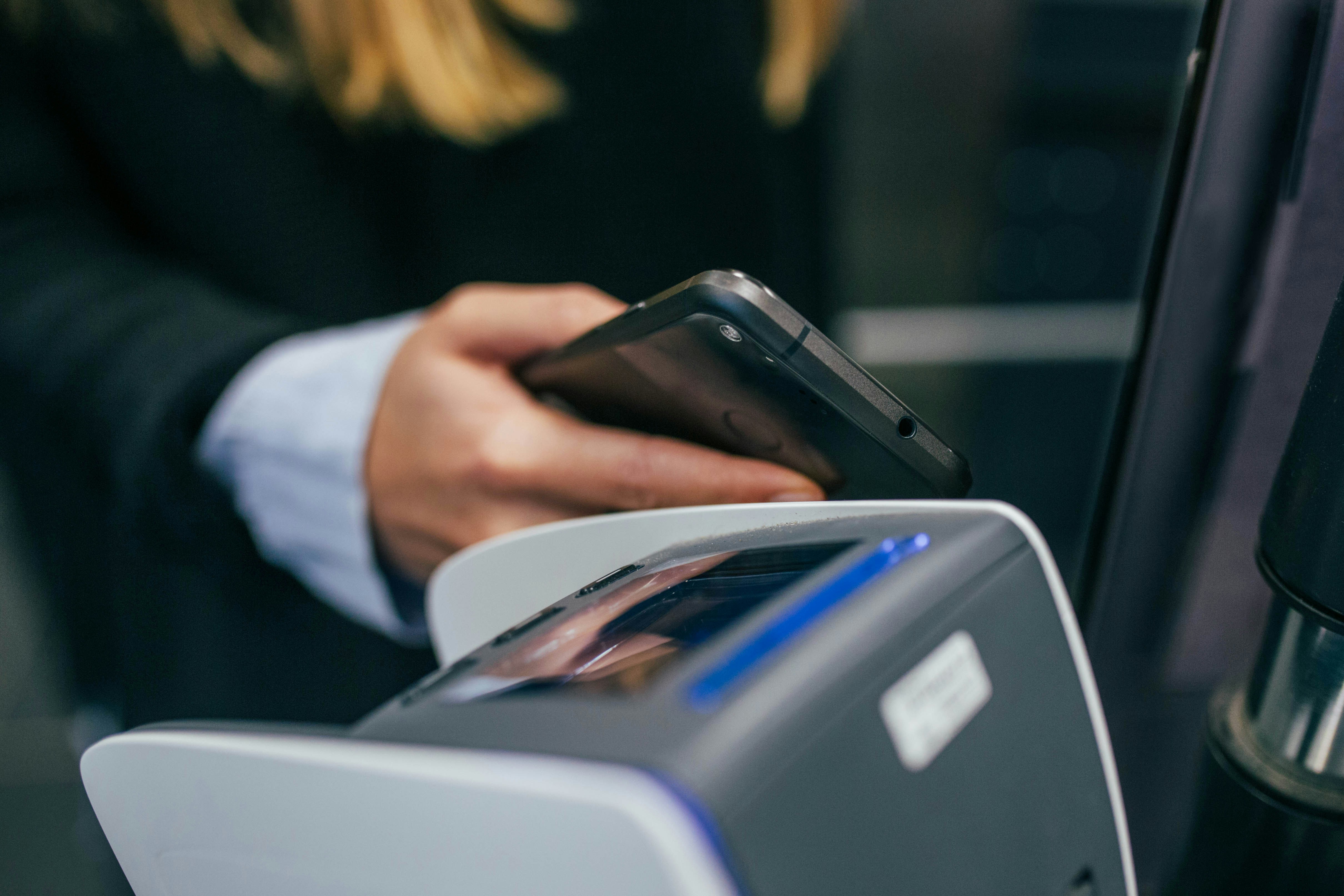
Indeed, BNPL offers are increasingly advertised at checkout. There are now over 20,000 merchants offering BNPL — both online and in-person — and that number is only growing.
Likewise, some of these financial loans only require a soft credit check that’s not visible to other credit providers, which can make BNPL an appealing option for those without a strong credit history.
And with the cost of living remaining high, the perceived affordability of this kind of credit among consumers is also a key driver in its growth, research shows.
“There is a crossover between BNPL use and people struggling with their finances”
Beyond this, some research has suggested that BNPL’s success is rooted in its “effective” use of artificial intelligence (AI) and algorithms.
So, who’s using these products the most?
Research from Finder showed that BNPL is now most popular among Millennials, with 60% using such products “at some point,” followed by Gen Z (56%).
A number of factors underpin this trend, from a wariness of traditional credit and credit card approval challenges to a dissatisfaction with traditional banking services.
BNPL use is also high among those living in the most deprived areas of the UK and those with low financial resilience, according to the Financial Conduct Authority’s (FCA) recent Financial Lives report.
“Our research has suggested there is a crossover between BNPL use and people struggling with their finances,” said Simon Trevethick, head of communications at StepChange Debt Charity, adding, “Previous polling found that those who use BNPL are twice as likely as the general population to need to use credit to cover essential bills.”
This is corroborated by findings from the Money and Pensions Service, which revealed that 38% of BNPL users need “full debt advice,” and 35% are “at risk of needing debt advice.”
What risks are associated with BNPL?
While BNPL can appear an attractive option, it’s not “free credit” and carries with it potential risks.
Despite this, research points to a lack of consumer awareness regarding the costs of BNPL.
“It’s a form of credit—and should be treated with the same caution”
In a study conducted for the Lending Standards Board (LSB) by RFI Global, only 52% of BNPL users reported being aware of late payment fees, while 50% were unaware of potential fees before incurring them.
Similarly, research from the Behavioural Insights Team (BTI) found that, of those surveyed, four in ten were unaware that they could be approved for BNPL “even if they could not afford it.”
“Consumers often fall into the trap of treating BNPL like an extension of their disposable income,” said Matt Dronfield, the managing director of Debt Free Advice. “In reality, it’s a form of credit—and should be treated with the same caution.”
Debt Free Advice added that BNPL can make things “seem affordable when they’re not,” encouraging impulse buying and overspending.
 Indeed, one piece of research found that BNPL users spend 6.42% more than those who do not. Meanwhile, data from the BIT showed that 38% of those surveyed had “spent more than they planned because BNPL was available.”
Debt Free Advice also noted that because BNPL companies all work differently, it’s easy to lose track of what is owed, and consumers can end up borrowing more than they can afford.
In 2024, Finder’s survey found that in the last 12 months, 53% of those who had used BNPL had been charged late fees.
And because companies often take payments straight from the consumer’s card, if the first try fails, they can try again. This can bring people into their overdrafts or result in insufficient funds for essential bills, said Debt Free Advice.
What regulatory changes are incoming?
Efforts to regulate BNPL have been in the works for some time, and in July, it was announced that from July 2026, BNPL will be subject to the same protections as other forms of credit.
Debt Free Advice explained that the new rules will require BNPL firms to review whether consumers can afford payments, while also clearly explaining their terms.
The regulations mean that customers will have faster access to refunds and the right to complain to the Financial Ombudsman to ensure complaints are dealt with fairly.
“Regulation will help make these services safer and more transparent”
The changes will also reduce what Trevethick called “excessive” marketing at checkout and provide consumers with “additional protections at a time when they are most needed, as cost of living pressures remain.”
Indeed, Debt Free Advice noted that linking BNPL to credit agencies can help “stop people from borrowing too much or harming their credit score without realising.”
That said, it shared concerns about how strong the new rules will be during the changeover, adding that lenders should do more, including by pointing people to free debt help early, before “problems get worse.”
“We’ve seen a sharp increase in clients coming to us with BNPL-related debt. Regulation will help make these services safer and more transparent—but education is still key,” said Dronfield.
How can consumers protect themselves against unmanageable debt?
With a year until the BNPL regulations come into place, debt charities warn that users need to ensure that they’re using products safely and sustainably. This includes changing the way that consumers approach this kind of credit.
“If you wouldn’t use a credit card for the purchase, reconsider BNPL,” said Debt Free Advice.
Likewise, it’s important to assess whether BNPL is an affordable option.

“While it’s an interest-free product, if you miss a payment then you can still get struck with late fees, so it is essential to make sure that any BNPL repayments will be affordable before using the product,” said Trevethick.
Once taking on BNPL, Debt Free Advice said it’s key to track, budget, and plan. This means keeping careful watch of all your BNPL commitments, how much you owe and the due dates for each to “avoid accumulating debt.”
Keeping to one provider can also help users avoid stacking multiple purchases, the charity said.
Trevethick echoed this: “At StepChange, we have seen clients with multiple BNPL debts across different providers.”
Debt Free Advice also warned against relying on BNPL for necessities: “It’s a sign you may need debt advice.”
And, if you’re struggling with repayments, contact a free, impartial debt advice service:
None of the content on this website, including blog posts, comments, or responses to user comments, is offered as financial advice. Figures used are for illustrative purposes only.
Categories
Tags
-
50% tax
2022
April 2010
April 2011
April 2012
budget
coronavirus
cost of living
cost of living crisis
covid-19
debt
dollar
economics
Economy
election
Employed and Self Employed
Foreign Currency
foreign exchange rates
HMRC
holiday
holiday money
house prices
houses
income tax
interest rates
Jobs
Loans
Mortgages
national insurance
Pay As You Earn
pension
Pensions
personal allowance
pound
recession
recovery
savings
Self Assessment
self employed
self employment
student loans
tax rates
The Salary Calculator
unemployment
VAT
Sponsored Links
Archive
- February 2026
- January 2026
- December 2025
- November 2025
- October 2025
- September 2025
- August 2025
- July 2025
- June 2025
- May 2025
- April 2025
- March 2025
- November 2023
- September 2023
- August 2023
- July 2023
- June 2023
- May 2023
- April 2023
- March 2023
- February 2023
- January 2023
- December 2022
- November 2022
- October 2022
- September 2022
- August 2022
- July 2022
- June 2022
- May 2022
- April 2022
- March 2022
- February 2022
- January 2022
- December 2021
- November 2021
- October 2021
- September 2021
- August 2021
- July 2021
- June 2021
- May 2021
- April 2021
- February 2021
- January 2021
- December 2020
- November 2020
- October 2020
- September 2020
- August 2020
- July 2020
- June 2020
- May 2020
- April 2020
- March 2020
- February 2020
- November 2019
- September 2019
- April 2019
- March 2019
- December 2018
- April 2018
- March 2018
- January 2018
- May 2017
- March 2017
- February 2017
- September 2016
- June 2016
- March 2016
- February 2016
- January 2016
- June 2015
- April 2015
- March 2015
- February 2015
- January 2015
- November 2014
- October 2014
- July 2014
- June 2014
- May 2014
- March 2014
- February 2014
- January 2014
- November 2013
- October 2013
- August 2013
- July 2013
- June 2013
- May 2013
- April 2013
- March 2013
- February 2013
- January 2013
- December 2012
- November 2012
- October 2012
- September 2012
- August 2012
- July 2012
- June 2012
- May 2012
- April 2012
- March 2012
- February 2012
- January 2012
- December 2011
- October 2011
- May 2011
- April 2011
- March 2011
- January 2011
- December 2010
- August 2010
- July 2010
- June 2010
- May 2010
- April 2010
- March 2010
- February 2010
- January 2010
- December 2009
- November 2009
- October 2009
- September 2009
- August 2009
- July 2009
- June 2009